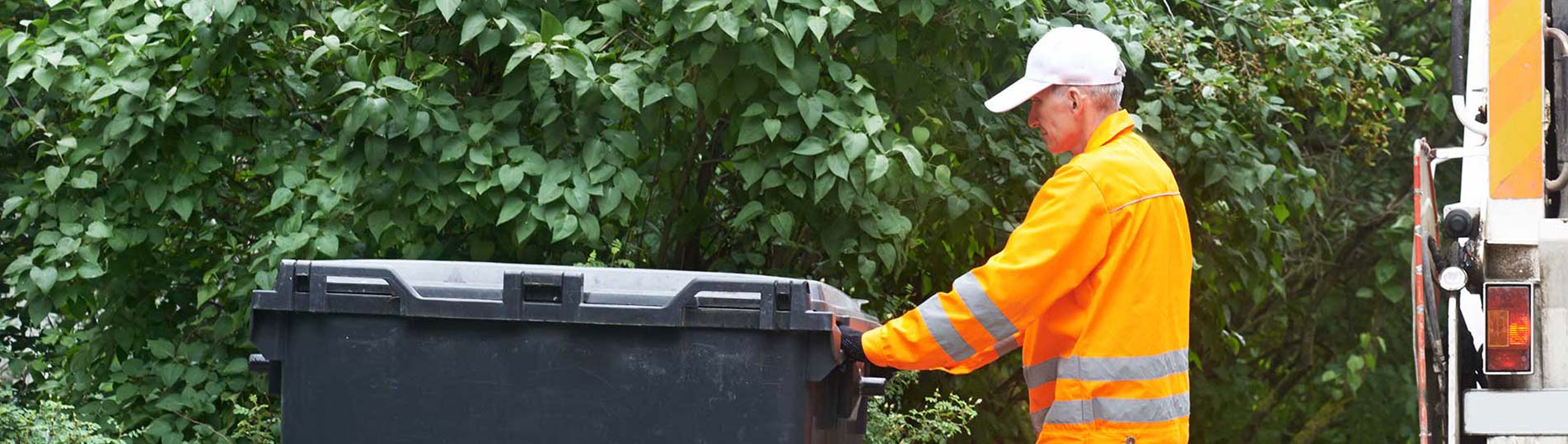
Local guide Richmond station waste disposal and rubbish points
Posted on 14/08/2026
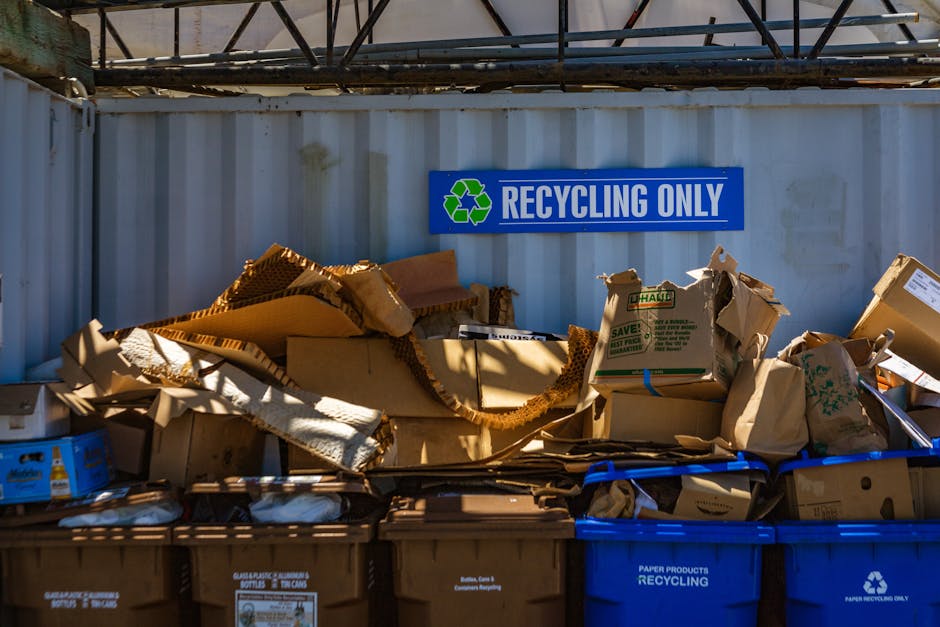
If you have ever stepped out of Richmond station with a bag that is too bulky for the train, or a box of leftover clutter that needs shifting before you head home, you will know the feeling: where on earth does this go? This local guide to Richmond station waste disposal and rubbish points is here to make that bit of everyday life simpler. It covers the practical realities around getting rid of rubbish near the station, what to do with different types of waste, and how to avoid the small mistakes that can quickly turn into a nuisance.
Richmond is tidy by reputation, but like any busy transport hub it still needs sensible waste habits. Some items belong in public bins, some do not. Some waste can be recycled, while other materials need a separate route altogether. And let's face it, nobody wants to be the person awkwardly wedging a broken chair next to a litter bin on a crowded street. This guide gives you a clearer way forward, whether you are a commuter, local resident, landlord, office worker, or just passing through.
Why Richmond station waste disposal and rubbish points matter
Waste around a station might seem like a small thing, but it affects safety, appearance, accessibility, and how easy the area feels to use. Richmond station sits in a busy part of southwest London, with steady footfall from commuters, shoppers, visitors, and local residents. That means rubbish points need to work hard. If bins overflow, if people leave items beside them, or if waste ends up in the wrong place, the whole area feels messier within minutes.
There is also a practical angle. Many people travel with shopping, takeaway packaging, parcels, renovation offcuts, or office clear-out bits. If you are on foot, you need to know what can be disposed of near the station and what needs a proper collection elsewhere. A bit of forethought saves time and avoids that awkward "I'll sort it later" moment that turns into a bag sitting in your hallway for three days. We have all done it.
Good waste handling near Richmond station matters for businesses too. Cafes, small offices, landlords, and shops all depend on the area feeling clean and orderly. If you are dealing with larger volumes, you may eventually need a more structured solution such as rubbish clearance in Richmond upon Thames or a scheduled service from the wider waste removal Richmond upon Thames range.
How Richmond station waste disposal and rubbish points work
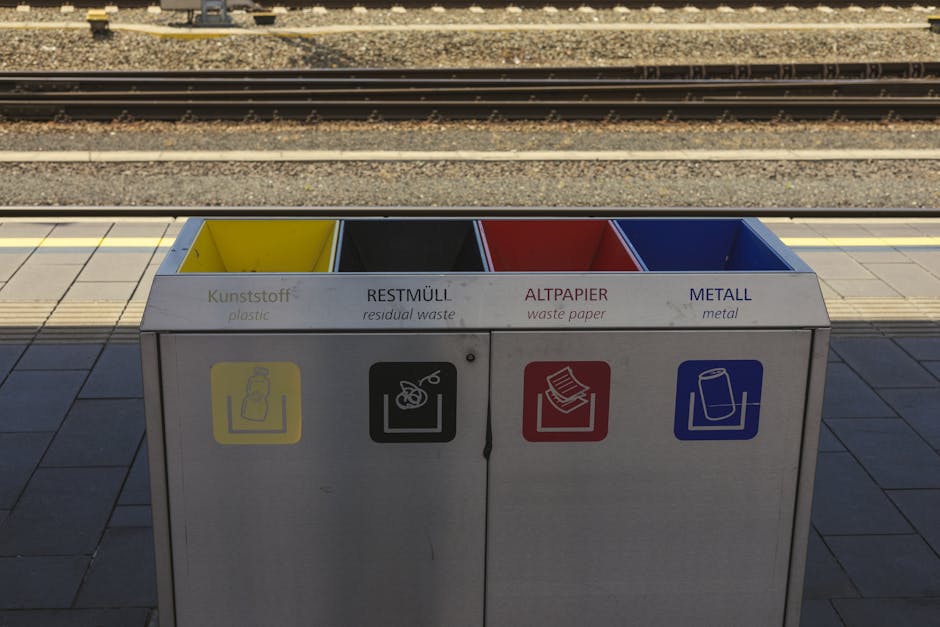
At a station, waste disposal is usually split into a few simple categories: small public litter bins, recycling points where available, and separate arrangements for anything that is too large, too messy, or too hazardous for a public bin. The key thing is this: a station bin is for immediate everyday litter, not for household clear-outs. That distinction matters more than people think.
For example, a coffee cup, sandwich wrapper, train ticket, or a small food container may be fine in a public bin. But a broken lamp, a used mattress, paint tins, or leftover building debris needs a different route. Near busy transport areas, bins can fill quickly, so it helps to check whether the item is actually suitable before you dump it in. If in doubt, carry it home and dispose of it properly there, or arrange a collection through a professional service such as the services overview.
In practical terms, people near Richmond station often use a combination of:
- small litter bins for everyday items
- recycling bins where clearly marked and available
- home bin systems for domestic waste
- special collections for bulky or awkward rubbish
- commercial waste arrangements for shops and offices
That mix is what keeps the area manageable. It is not glamorous, true. But it works.
Key benefits and practical advantages
Using the right waste point or disposal method near Richmond station brings several obvious benefits, and a few less obvious ones too.
1. It keeps the area pleasant. Nobody enjoys dodging litter outside the station. Clean surroundings make a big difference, especially in a place as walkable and visually appealing as Richmond.
2. It reduces accidental contamination. Putting the wrong thing in the wrong bin can make recyclable material unusable. A greasy takeaway box, for instance, can spoil a load of otherwise good recycling.
3. It helps you stay organised. If you know what can be disposed of where, you spend less time carrying things around. That sounds minor, but in real life it is a relief.
4. It lowers the risk of fly-tipping behaviour. Leaving rubbish beside bins, even temporarily, encourages mess. Once waste starts appearing in the wrong places, the area can look neglected fast.
5. It supports local sustainability habits. Richmond residents often care about waste reduction and recycling. A cleaner disposal routine fits that mindset well. For readers interested in more responsible disposal habits, recycling and sustainability is a useful place to explore the broader approach.
6. It saves you from avoidable costs. If you misjudge what counts as station rubbish and create an issue, you may end up paying for a last-minute clearance anyway. Better to plan the right route from the start.
Who this is for and when it makes sense
This local guide is useful for more people than you might expect. It is not just for commuters trying to ditch a sandwich wrapper before the District line. It also helps anyone who lives or works nearby and wants to dispose of waste sensibly without making a trip more complicated than it needs to be.
You will probably find it especially useful if you are:
- a commuter carrying packaging, takeaway waste, or small personal items
- a resident doing a tidy-up after shopping, moving house, or decluttering
- a shop owner with everyday commercial waste to manage
- an office worker dealing with paper waste, packaging, or old equipment
- a landlord or letting agent arranging a clear-out near the station
- a builder or contractor needing proper disposal for site waste
It also makes sense if you are comparing a quick drop-off with a more complete collection. For larger jobs, it may be more efficient to arrange a proper collection instead of trying to patch things together. If the job is domestic, you might look at house clearance in Richmond upon Thames. If it is work-related, office clearance Richmond upon Thames may be the more sensible route.
Step-by-step guidance
Here is a practical way to think about rubbish disposal near Richmond station, without overcomplicating it.
- Sort your waste before you leave. Separate obvious recyclables, food waste, general rubbish, and anything bulky or hazardous.
- Check whether the item suits a public bin. Small everyday litter usually does. Larger items, liquid waste, sharp objects, and anything messy usually do not.
- Keep recyclable items clean where possible. A quick rinse or scrape can make a difference. No need for perfection, just avoid contaminating the rest.
- Use the nearest suitable bin, not the nearest bin full stop. If the public bin is overflowing, do not balance waste on top of it. Carry it to another location or take it home.
- For bigger rubbish, plan a proper collection. A few bags may be manageable by hand, but bulky furniture, renovation waste, or garden waste needs a different solution.
- Book a service if the amount is more than you want to handle yourself. For many people, that is the turning point where professional help becomes worth it. A reliable option is pricing and quotes, which helps you gauge the job before committing.
A small real-world example: if you are finishing a tenancy near Richmond, you might have a few bags of household waste, a broken chair, and some packaging from furniture deliveries. A station bin is not the answer. Sorting and arranging a collection is. Simple as that.
Expert tips for better results
People often ask for "the best way" to handle waste near busy stations. Truth be told, the best way is usually the one that is realistic for the amount and type of rubbish you actually have.
Here are a few habits that make life easier:
- Carry a reusable bag for rubbish. It stops loose litter from spilling while you travel.
- Flatten cardboard before moving it. You will be surprised how much space this saves.
- Keep a mental note of what builds up most. If it is mostly packaging, your routine needs differ from someone clearing garden waste or office files.
- Do not wait until the pile becomes urgent. Waste gets heavier, uglier, and more annoying when left too long. Funny how that happens.
- Choose the disposal method before the day gets busy. If you are already rushing for a train, you are less likely to think clearly about what should go where.
- Use professional help for mixed waste. Mixed materials are where disposal usually gets messy. A service such as your rubbish removal needs can be a useful starting point when you are not sure what category your items fall into.
One quieter tip: if you are moving through the station in the evening, it is worth being a bit more careful with what you carry and where you stop. Crowded platforms, low light, and rushing crowds make awkward disposal decisions even more awkward. A tiny bit of patience helps.
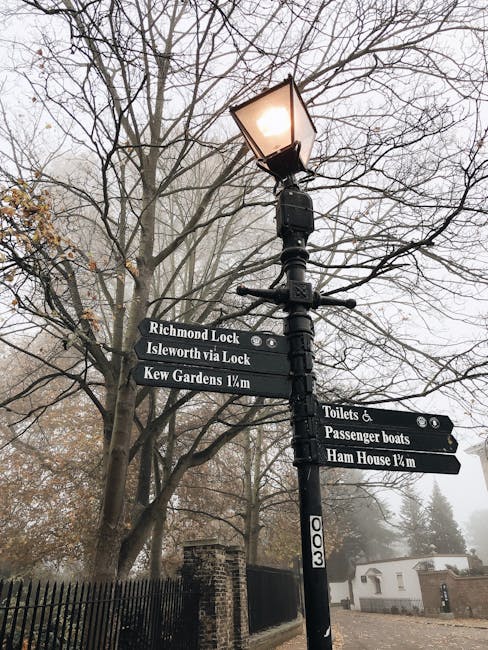
Common mistakes to avoid
The biggest mistakes with station-area waste are not usually dramatic. They are small habits that snowball. And because they are small, people often ignore them.
Leaving items beside a full bin. This is one of the quickest ways to create a mess. If the bin is full, take the item with you.
Treating a public bin like a dumping ground. Large household items, building debris, and hazardous material do not belong there. It is not just discourteous, it is impractical.
Mixing recyclables with food waste. Once recycling becomes contaminated, it may no longer be worth recovering.
Assuming all rubbish is the same. It really is not. Packaging, green waste, broken furniture, and office paper all need different handling in real life.
Forgetting about timing. If you are heading through Richmond station at peak times, trying to manage a pile of waste can be clumsy and stressful. You do not want to be the person fumbling with three bags while a queue builds behind you.
Ignoring bigger clear-out options. If the waste is beyond a quick bin drop, consider a proper collection. A well-planned builders waste disposal Richmond upon Thames service, for example, is far more suitable for renovation leftovers than any station rubbish point.
Tools, resources and recommendations
You do not need fancy equipment to handle waste well, but a few simple tools help a lot.
- Reusable tote bags or strong carrier bags for dry waste and packaging
- Sealable bins or tubs for odorous or messy items during transport
- Gloves for handling sharp or dirty material
- Labels or separate bags for sorting mixed waste before a collection
- A tape measure if you are unsure whether something counts as bulky
For broader support, it is worth looking at the company's main service pages and practical guidance. If you are decluttering before a move or tidy-up, practical decluttering tips can help you reduce what actually needs throwing away. If your waste is more specific, the right specialist page may save time, including garden waste removal Richmond upon Thames for outdoor waste.
There is also a trust angle here. If you are considering a clearance provider, checking the company background and operational approach matters. about us and insurance and safety are good places to learn how a provider thinks about responsibility, not just speed.
Law, compliance, standards and best practice
Waste disposal in the UK is not something to treat casually. You do not need to memorise legislation to make decent decisions, but a few principles matter.
First, waste should be placed in the correct container or collected through a legitimate route. Public bins are for small-scale litter, not dumping. Second, hazardous items need special care. Things like chemicals, sharps, or certain electrical items should not be left in ordinary public bins. Third, if you are disposing of business waste, you have a duty to keep it separate from domestic rubbish and to use proper arrangements. That is common sense, but it is also standard practice.
For householders, the best practice is straightforward: sort waste, reduce contamination, and choose the disposal route that matches the material. For landlords and businesses, keep records and use reliable services. If you need reassurance on how a provider handles jobs, check their public policies and operational pages, including terms and conditions, payment and security, and privacy policy.
Best practice also includes respecting accessibility. If you are disposing of waste near a station, keep pathways clear. A bag left in the wrong place may be more than an eyesore; it can create a trip hazard or obstruct someone with mobility needs. Simple courtesy goes a long way.
Options and comparison table
Choosing the right disposal route depends on what you have, how much there is, and how quickly you need it gone. Here is a simple comparison that may help.
| Option | Best for | Pros | Limitations |
|---|---|---|---|
| Public litter bin | Small everyday rubbish | Quick, convenient, nearby | Not suitable for bulky or messy waste |
| Recycling point | Clean recyclable packaging or materials | Supports sustainability, reduces landfill | Contamination can make it unusable |
| Take waste home | Items not suitable for station bins | Simple, low risk | Requires you to carry it longer |
| Booked rubbish clearance | Bulky, mixed, or larger household waste | Efficient, practical, less hassle | Needs planning and usually a cost |
| Specialist waste removal | Garden waste, builders waste, office waste | Matches the waste type properly | Not a same-day station solution |
For many people, the real decision is between "carry it a bit longer" and "book the right clearance now." If the waste is minor, carry it. If it is not minor, save yourself the headache.
Case study or real-world example
A small Richmond flat near the station is being cleared after a tenant move-out. The hallway has a few black bags, some cardboard, a broken desk chair, and a small pile of mixed household bits. On paper, it sounds manageable. In reality, the items are awkward to carry, the station is busy, and the bins nearby are not designed for that volume.
The sensible approach is to sort the waste first. Cardboard gets flattened. Reusable items are separated. General rubbish is bagged properly. The chair and bulky bits are earmarked for collection instead of being squeezed into public bins. That saves time, keeps the area tidy, and avoids the usual "I'll just leave this here for a minute" trap. There is almost always a minute too many in those situations.
In a different example, a small office close to the station is upgrading furniture. Paper waste and packaging are easy enough, but the old office chairs and assorted fittings are not station-bin material. The practical answer is a scheduled collection through a provider experienced in clear-outs, rather than piecemeal disposal. That is where office clearance Richmond upon Thames makes a lot more sense than ad hoc trips with a bin bag.
Practical checklist
Use this quick checklist before you dispose of rubbish near Richmond station or arrange a collection.
- Have I separated general waste, recycling, and bulky items?
- Is this item suitable for a public bin?
- Could this contaminate recycling if mixed in?
- Do I need gloves or a stronger bag?
- Would taking it home be easier and cleaner?
- Is this waste too large for ordinary disposal?
- Do I need a dedicated clearance or specialist waste service?
- Have I checked whether the waste is from a home, garden, office, or building job?
- Will my disposal choice keep pathways clear and safe?
- Am I choosing the simplest legal, tidy, and practical route?
If the answer to the last question is "not quite", it may be time to step back and choose a better route. No shame in that. It is just sensible.
Conclusion
Richmond station waste disposal and rubbish points may not be the most glamorous topic in the world, but they shape how the area feels every single day. When rubbish is handled properly, the station stays easier to use, the streets stay more pleasant, and everyone benefits a little. When waste is left in the wrong place, the opposite happens very quickly.
The main takeaway is simple: match the waste to the right disposal method. Small litter can go in the right public bin. Recyclables should stay clean where possible. Bulky, mixed, or specialist waste should be handled through the proper route. That approach is cleaner, safer, and usually less stressful too.
If you are dealing with more than a small bag of waste, or you want a tidy, reliable solution for home, office, or site rubbish, it is worth exploring a professional service rather than trying to piece everything together yourself.
Get a free quote today and see how much you can save.
And if all you needed was a small bit of clarity for today's trip through Richmond, fair enough - hopefully you now have it. One good disposal decision at a time, that is how the place stays pleasant.

From a young age, Blair has cultivated a passion for order, which has now matured into a prosperous profession as a waste removal specialist. She derives satisfaction from transforming disorderly spaces into practical ones, aiding clients in conquering the burden of clutter.
 Tipper Van - Rubbish Removal and Waste Disposal Prices in Richmond upon Thames, TW9
 Luton Van -